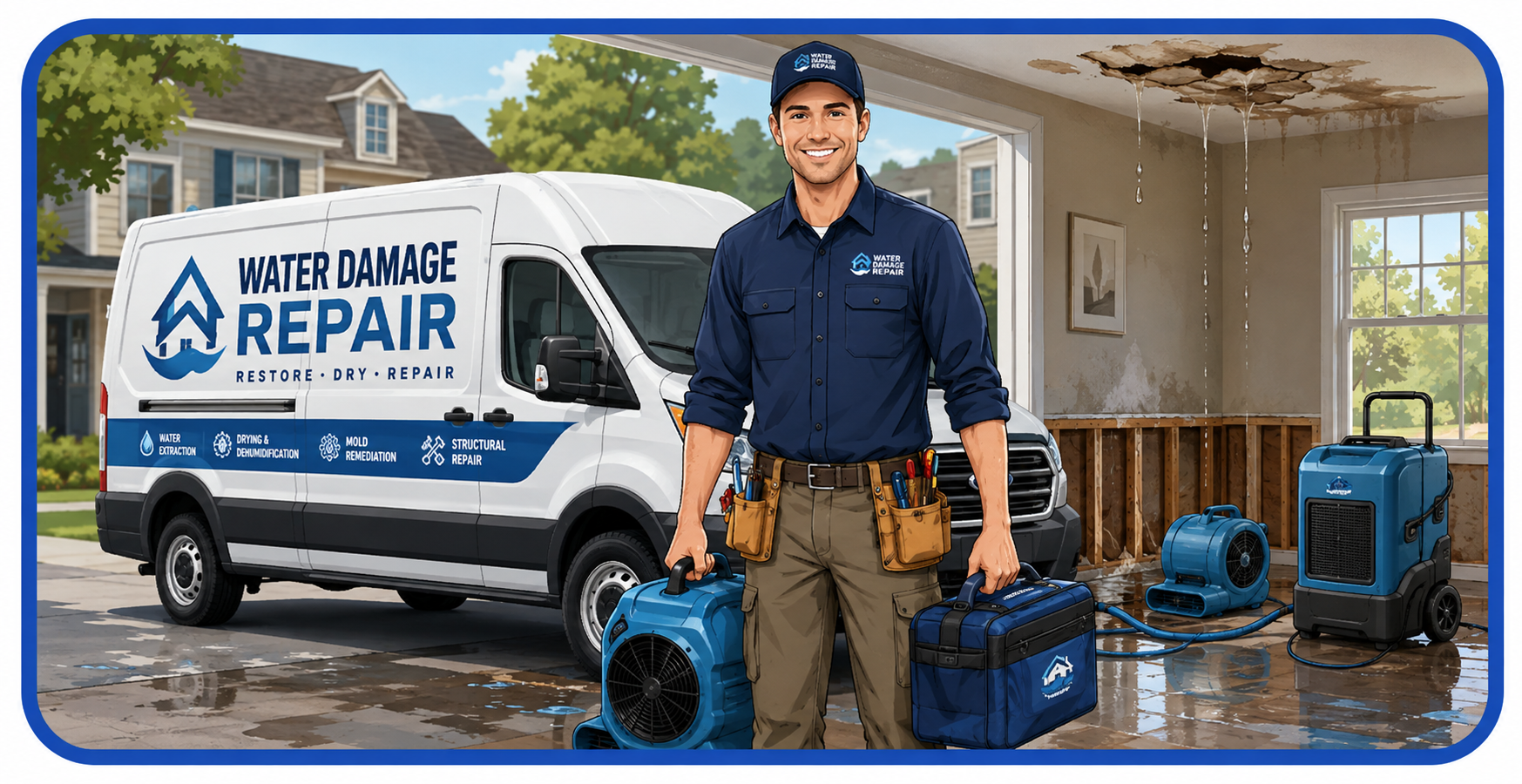
Burst supply line, overflowing toilet, a storm that found the weak spot in your roof: whatever let the water in, the clock started when it did. One call to +1-323-329-3586 routes you to an independent restoration pro in Washington who takes emergency calls around the clock.


Business Leak Detection is a referral service, not a contractor. We run a 24/7 phone line that connects people dealing with water damage to independent, licensed and insured restoration contractors who work in Washington. You talk to a real person, describe what happened, and get routed to a pro who handles that kind of job.
Most of the pros callers reach have spent years on water losses of every size, from one soaked closet to a flooded office floor. They carry moisture meters and thermal cameras, run commercial drying equipment, and keep drying logs an insurance adjuster can actually read. You get a quote before work begins, not a surprise afterward.
The line is staffed around the clock because leaks don't keep office hours. A pipe that splits at 3 a.m. on a holiday weekend gets the same routing as one that splits at noon, and if one contractor is busy, you're moved to another who covers your corner of the city.
Water does its worst work where nobody is looking. These are the signs restoration contractors say people tend to ignore until the repair bill doubles.
Below is the work contractors in the network handle most often. Tell the dispatcher which one fits, or just describe what you're seeing and they'll sort it out.
Standing water keeps soaking into drywall, subfloor, and framing for as long as it sits. Contractors arrive with truck-mounted or portable extraction units, pull water out of carpet and pad, and pump out flooded rooms so drying can start the same day.
Before extraction, the contractor classifies the water as Category 1, 2, or 3 based on its source, because clean supply-line water and sewage backflow get handled very differently.
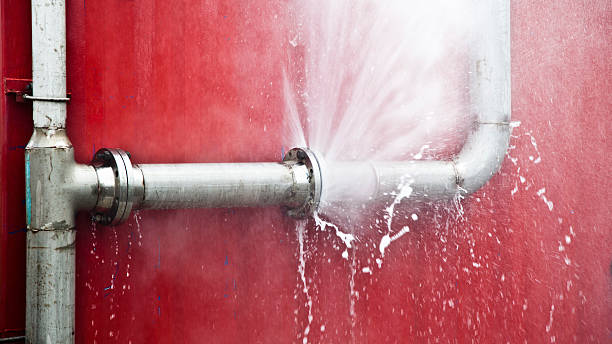
Most residential calls trace back to a handful of culprits: a split washer hose, a failed water heater tank, a cracked toilet supply line, or roof flashing that let go. The contractor finds and stops the source, dries what can be dried, and rebuilds what can't.
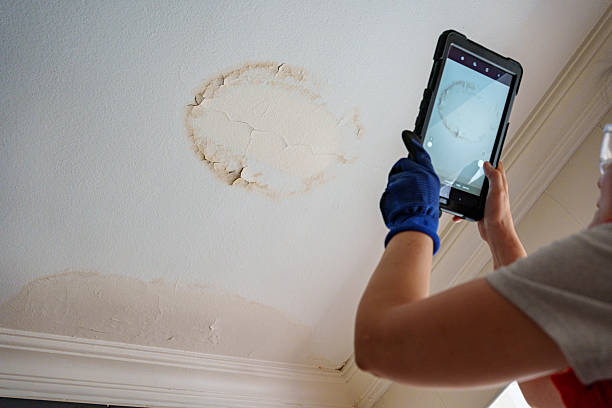
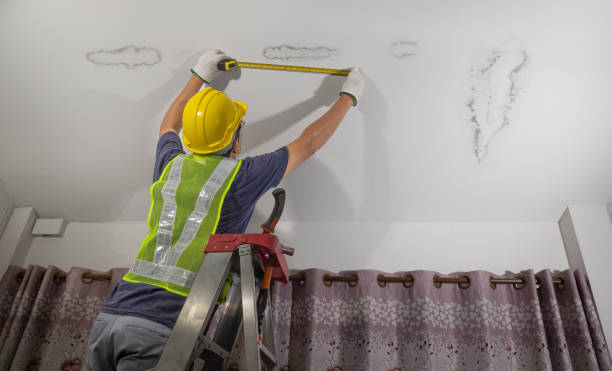
Good residential pros document everything with photos and moisture readings, which makes the insurance side much easier if you file a claim.
A flooded office, retail floor, or restaurant kitchen costs money every hour it stays closed. Commercial restoration contractors scale up with more extractors, larger desiccant dehumidifiers, and crews that can work after hours so you can stay partly open.
They're used to working with property managers, building engineers, and multiple tenants, and they section off affected areas with containment so the rest of the building keeps running.
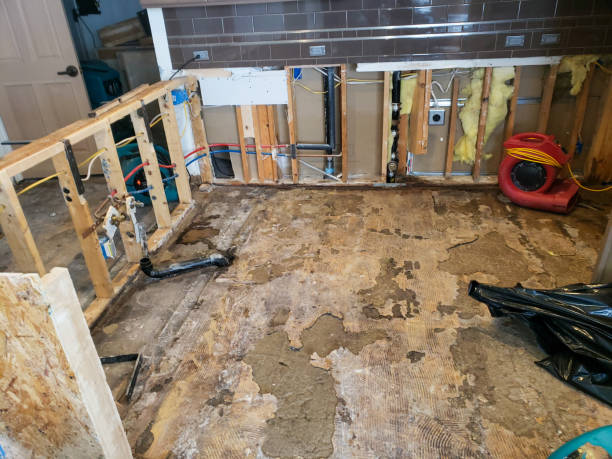
Getting the puddle up is the easy part. The real work is drying what's underneath, using air movers angled along the walls, dehumidifiers sized to the room, and daily meter readings until drywall, studs, and subfloor return to normal moisture levels.
Thermal imaging cameras help find wet pockets behind walls without tearing everything out, and small weep holes drilled behind the baseboard can dry a wall cavity without full demolition.
Once the structure is dry, the visible repairs start: replacing sagging ceiling drywall, patching and texture matching, new insulation, baseboard, and flooring. Many contractors handle both mitigation and rebuild, so you aren't juggling two companies.
Ask about texture and paint matching on ceilings and walls; a good repair shouldn't leave a visible patch.
Sewage backups and outside floodwater are Category 3, meaning they carry bacteria and other contaminants. Contractors wear protective gear, remove porous materials like carpet pad and the lower section of drywall, and disinfect every surface the water touched.
Keep everyone, especially children and pets, away from the affected area until it has been cleaned and disinfected by a pro.

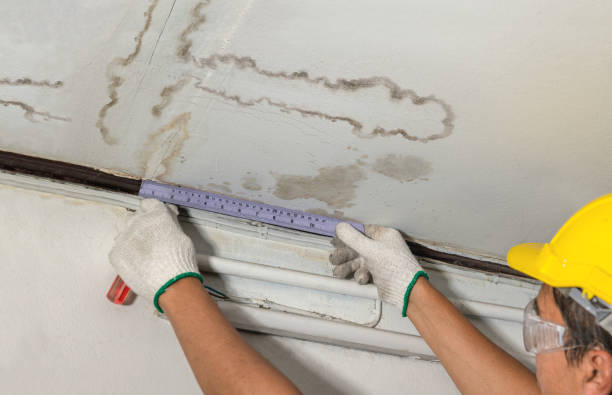
Four steps, usually in the order below. The first one takes about two minutes.
Dial +1-323-329-3586 and tell the dispatcher what happened, where the water is, and whether it's still coming in. If you can safely shut off the main valve or breaker, do it first.
An independent contractor serving your area gets your details and confirms an arrival window. For active leaks and flooding, crews often arrive within the hour.
On site, the contractor traces the source, maps wet areas with meters and a thermal camera, and explains the scope and price before work starts.
Extraction and drying begin with daily moisture checks. Once materials are dry, repairs follow, and you keep photos and readings for your records or insurer.
You could search and call contractors one by one at 2 a.m. Here's why people call this line instead.

Contractors in the network quote the job before they start, so you know what extraction, drying, and repairs are expected to cost before you sign off.
Active leaks and flooding get priority routing, and many contractors reach emergency calls in about an hour depending on distance and conditions.
You get matched with a contractor who serves your area regularly and knows the local housing stock, from slab homes to older basements.
Every contractor is independent and expected to hold proper licensing and insurance. Ask to verify it on arrival, which reputable pros welcome.
Contractors record photos, moisture readings, and equipment logs throughout the job, the same records insurance adjusters ask for.
If the first match doesn't work out, call the line again and you'll be connected with a different contractor. A good match is the whole point of the service.

Water heater burst at midnight and flooded the laundry room. The crew was there within the hour, extracted everything, and came back daily to check moisture until the drywall read dry.
A supply line under our upstairs sink failed while we were at work, and part of the kitchen ceiling came down. The contractor walked us through the quote before touching anything and took all the photos our insurer wanted.
A sprinkler line broke in one of our suites over a weekend. The crew sealed it off, ran dehumidifiers through Sunday, and the rest of the building opened Monday as usual.
Our basement took water after a heavy storm. The contractor explained it was Category 3 because it came from outside, cut out the bottom two feet of drywall, treated everything, and it's stayed dry since.
A slow leak behind the shower had been rotting the subfloor for months. They found it with a thermal camera without tearing up the whole bathroom, dried it, and replaced the damaged section.
Emergency calls get priority routing, and crews commonly reach the property in roughly an hour. You'll get an arrival window on the phone so you know when to expect them.
Business Leak Detection doesn't charge you anything for the referral. The independent contractor inspects the damage and gives you a quote before starting, so you know the expected cost up front.
Contractors handle emergency extraction, flood pumping, drying setup, sewage and Category 3 cleanup, and temporary protection like tarps, 24 hours a day.
We're a referral line, not a contractor. Every job is performed by an independent professional, and you deal with them directly on pricing and terms.
It depends on the cause. Policies usually cover sudden events like a split supply line but often exclude slow leaks and floodwater without separate flood coverage. The contractor's photos and moisture logs help either way.
Typical drying runs about three to five days. Dense materials like hardwood and concrete slabs can need more time, which is why moisture readings, not the calendar, decide when it's done.
Shut off the water at the main valve, turn off power to wet areas if you can reach the breaker safely, move valuables and electronics out, and take photos for insurance.
Household fans move air at the surface but can't pull moisture out of wall cavities or subfloors. Without dehumidification and moisture readings, materials can look dry and still grow mold.
Mold can begin growing within 24 to 48 hours on wet drywall, carpet pad, and wood, which is why fast extraction and drying matter so much.
They do. Commercial calls for offices, stores, restaurants, and apartment buildings are routed to contractors with the larger equipment and crews those jobs need.
It is. Calling and being matched costs nothing; payment is between you and the contractor for the work you approve.
Yes, and you should. Every contractor is independent, and checking license and insurance before they begin protects you.
Calls come in from houses, condos, rental units, and businesses in Washington, and each one goes to an independent contractor who already works that area. Distance and availability decide who gets the call, so you aren't waiting on someone from across the city.
Water damage looks different depending on the building. Older homes with plaster walls and crawl spaces dry differently than newer slab construction, and contractors familiar with local building styles know what to check first.
From older neighborhoods with original galvanized plumbing to newer subdivisions with PEX lines, Washington has a mix of housing that fails in different ways. Contractors who work here every week know which streets flood first in a heavy storm.
Contractors cover zip codes in and around Washington, including 20250 20010 20011 20012 20015 20520 20064 20418 20415 20388 20319 20020 20024 20510 20515 20591 20427 20422 20542 20540 20240 20245 20390 20005 20004 20003 20002 20001 20009 20008 20016 20317 20059 20057 20052 20017 20018 20565 20566 20560 20220 20551 20019 20230 20373 20260 20007 20006 20032 20036 20037 20204 20431 20045 20408 20535 20530 20013 20022 20026 20027 20029 20030 20033 20035 20038 20039 20040 20042 20043 20044 20047 20049 20050 20053 20055 20056 20058 20060 20061 20062 20063 20065 20066 20067 20068 20069 20070 20071 20073 20074 20075 20076 20077 20078 20080 20081 20082 20090 20091 20201 20202 20203 20206 20207 20208 20210 20211 20212 20213 20214 20215 20216 20217 20218 20219 20221 20222 20223 20224 20226 20227 20228 20229 20232 20233 20235 20237 20238 20239 20241 20242 20244 20251 20252 20254 20261 20262 20265 20266 20268 20270 20277 20289 20299 20301 20303 20306 20310 20314 20318 20330 20340 20350 20355 20370 20372 20374 20375 20376 20380 20389 20391 20392 20393 20394 20395 20398 20401 20402 20403 20404 20405 20406 20407 20410 20411 20412 20413 20414 20416 20417 20419 20420 20421 20423 20424 20425 20426 20428 20429 20433 20434 20435 20436 20437 20439 20440 20441 20442 20444 20447 20451 20453 20456 20460 20463 20468 20469 20470 20472 20500 20501 20502 20503 20504 20505 20506 20507 20508 20509 20511 20521 20522 20523 20524 20525 20526 20527 20528 20529 20531 20533 20534 20536 20537 20538 20539 20541 20543 20544 20546 20547 20548 20549 20552 20553 20554 20555 20557 20559 20570 20571 20572 20573 20575 20576 20577 20578 20579 20580 20581 20585 20586 20590 20593 20594 20597 20599 56901 56902 56904 56908 56915 56920 56933 56935 56944 56945 56950 56965 56967 56972 56998 56999.

The faster drying starts, the less you end up replacing. One call to +1-323-329-3586 connects you with an independent local pro, any hour.
Get a contractor routed to youCall +1-323-329-3586