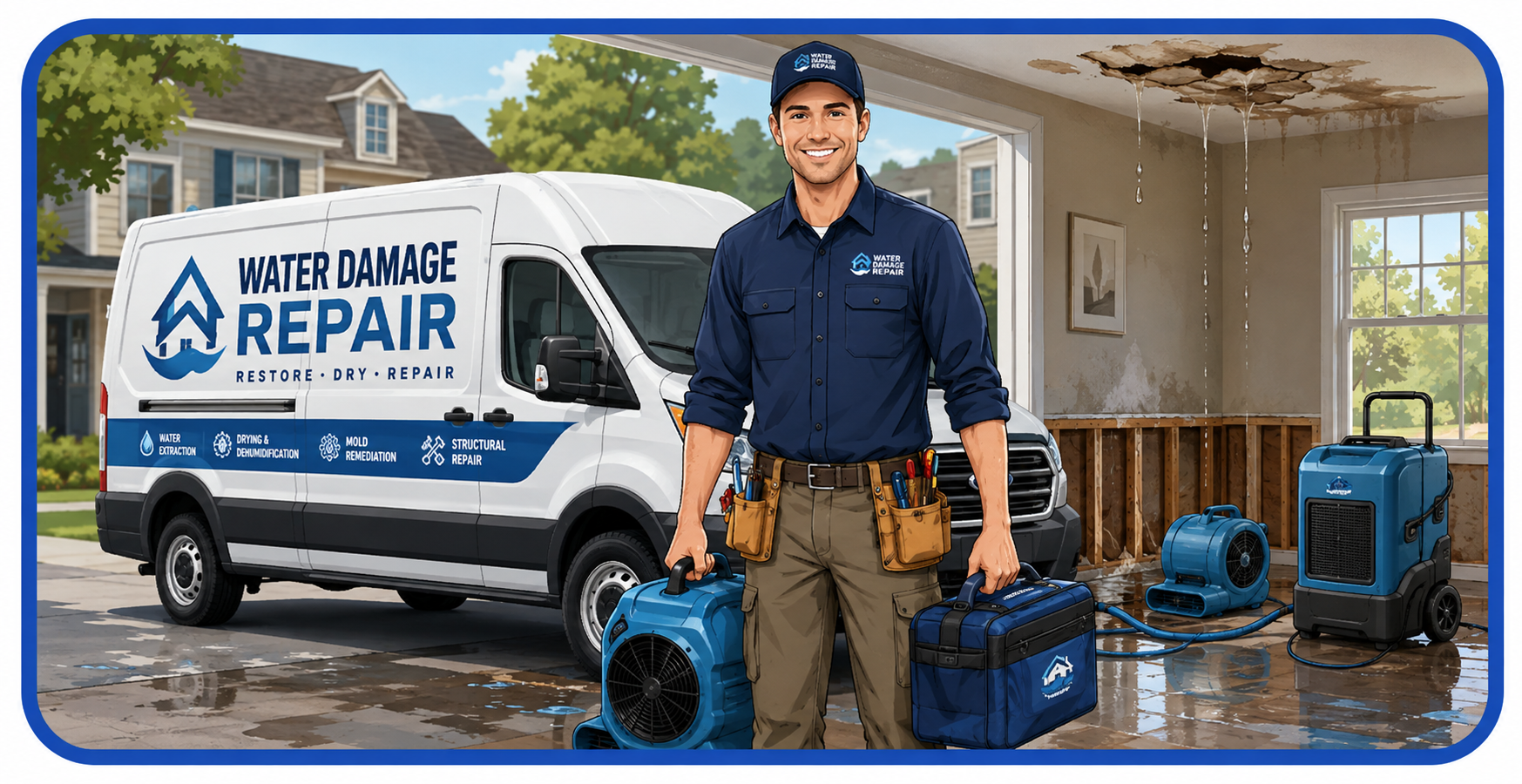
When water is coming through a ceiling or spreading across a floor, the first hour decides how much of the building you save. Call +1-323-329-3586 and get connected with a licensed, insured independent water damage contractor who can reach your property in Clinton County fast, day or night.


Business Leak Detection is a referral service, not a contractor. We run a 24/7 phone line that connects people dealing with water damage to independent, licensed and insured restoration contractors who work in Clinton County. You talk to a real person, describe what happened, and get routed to a pro who handles that kind of job.
Most of the pros callers reach have spent years on water losses of every size, from one soaked closet to a flooded office floor. They carry moisture meters and thermal cameras, run commercial drying equipment, and keep drying logs an insurance adjuster can actually read. You get a quote before work begins, not a surprise afterward.
The line is staffed around the clock because leaks don't keep office hours. A pipe that splits at 3 a.m. on a holiday weekend gets the same routing as one that splits at noon, and if one contractor is busy, you're moved to another who covers your corner of the county.
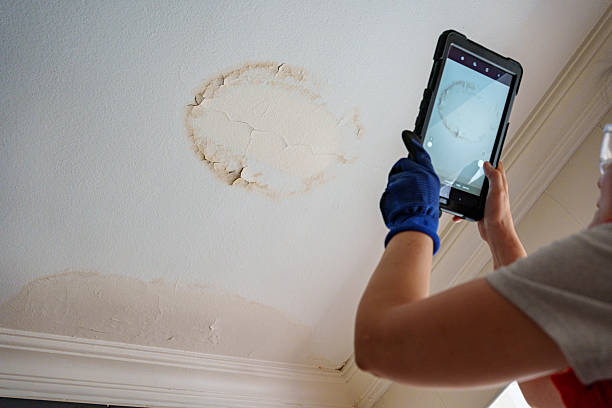
Water does its worst work where nobody is looking. These are the signs restoration contractors say people tend to ignore until the repair bill doubles.
Below is the work contractors in the network handle most often. Tell the dispatcher which one fits, or just describe what you're seeing and they'll sort it out.
Standing water keeps soaking into drywall, subfloor, and framing for as long as it sits. Contractors arrive with truck-mounted or portable extraction units, pull water out of carpet and pad, and pump out flooded rooms so drying can start the same day.
Before extraction, the contractor classifies the water as Category 1, 2, or 3 based on its source, because clean supply-line water and sewage backflow get handled very differently.
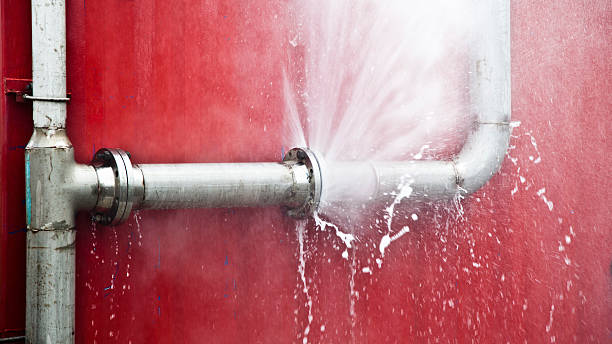
Homes take water from washing machine hoses, water heater failures, toilet supply lines, ice maker lines, and roof leaks. Residential contractors find the source, stop it, dry the structure, and then replace what can't be saved: drywall, baseboard, insulation, and flooring.
They'll photograph the damage, log readings room by room, and hand you paperwork your insurer can use if you decide to file.
A flooded office, retail floor, or restaurant kitchen costs money every hour it stays closed. Commercial restoration contractors scale up with more extractors, larger desiccant dehumidifiers, and crews that can work after hours so you can stay partly open.
Expect containment barriers that keep dust and moisture out of unaffected suites, coordination with your property manager, and the drying logs your adjuster will ask for.
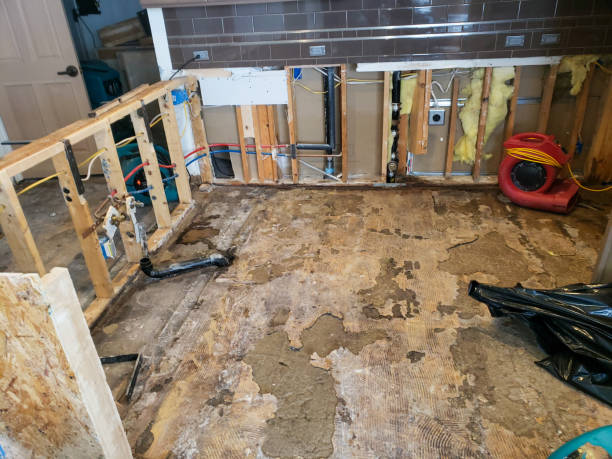
Removing visible water is half the job. Contractors set air movers to push air across wet surfaces and refrigerant or desiccant dehumidifiers to pull moisture out of the air, then check progress daily with moisture meters until materials reach dry standard.
Thermal imaging cameras help find wet pockets behind walls without tearing everything out, and small weep holes drilled behind the baseboard can dry a wall cavity without full demolition.
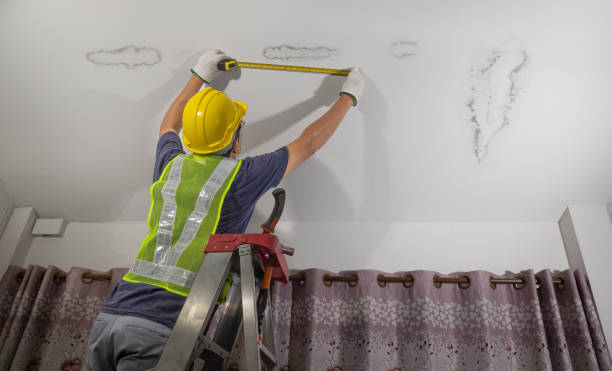
Once the structure is dry, the visible repairs start: replacing sagging ceiling drywall, patching and texture matching, new insulation, baseboard, and flooring. Many contractors handle both mitigation and rebuild, so you aren't juggling two companies.
Ask about texture and paint matching on ceilings and walls; a good repair shouldn't leave a visible patch.
Sewage backups and outside floodwater are Category 3, meaning they carry bacteria and other contaminants. Contractors wear protective gear, remove porous materials like carpet pad and the lower section of drywall, and disinfect every surface the water touched.
Don't try to mop this one yourself, and keep kids and pets out of the area until a professional has cleaned and treated it.

Here's what to expect from the moment you call until the job wraps up.
Call +1-323-329-3586. The dispatcher asks a few quick questions about the source, the rooms affected, and whether water is still running, then routes you to an available contractor.
An independent contractor serving your area gets your details and confirms an arrival window. For active leaks and flooding, crews often arrive within the hour.
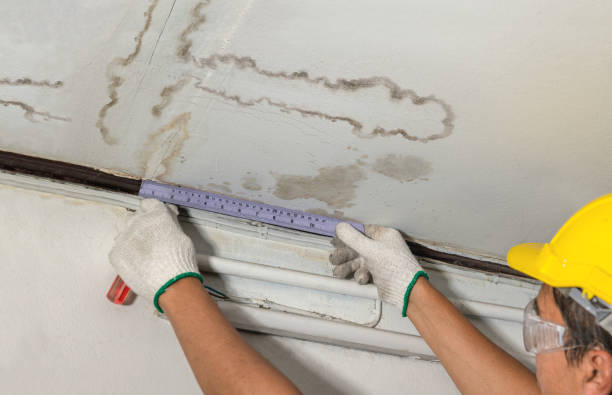
On site, the contractor traces the source, maps wet areas with meters and a thermal camera, and explains the scope and price before work starts.
Extraction and drying begin with daily moisture checks. Once materials are dry, repairs follow, and you keep photos and readings for your records or insurer.
There are plenty of names in a search result. These are the reasons people come back to this line when water shows up.

Contractors in the network quote the job before they start, so you know what extraction, drying, and repairs are expected to cost before you sign off.
Emergency calls jump the queue. Arrival depends on traffic and weather, but crews commonly reach active leaks within roughly an hour.
You get matched with a contractor who serves your area regularly and knows the local housing stock, from slab homes to older basements.
The network is made up of independent contractors who carry the licensing and insurance the work calls for. Ask to see both when they arrive; a good contractor will show you without hesitation.
Contractors record photos, moisture readings, and equipment logs throughout the job, the same records insurance adjusters ask for.
If a contractor can't make it or isn't the right fit, call back and you'll be routed to another one. You should be matched with someone you're comfortable letting into your property.

Our water heater let go in the garage around midnight and ran into the laundry room. The contractor showed up in under an hour, had the water out by 2 a.m., and set fans and a dehumidifier. He showed me the moisture readings every day until it was dry.
We came home to the kitchen ceiling on the floor from an upstairs sink line. The quote was clear before work started, and the documentation made our claim straightforward.
I manage a small office building and a sprinkler head got knocked loose on a Saturday. They put up plastic containment, worked through the weekend, and we opened Monday with only one suite blocked off.
Our basement took water after a heavy storm. The contractor explained it was Category 3 because it came from outside, cut out the bottom two feet of drywall, treated everything, and it's stayed dry since.
A slow leak behind the shower had been rotting the subfloor for months. They found it with a thermal camera without tearing up the whole bathroom, dried it, and replaced the damaged section.
Emergency calls get priority routing, and crews commonly reach the property in roughly an hour. You'll get an arrival window on the phone so you know when to expect them.
Business Leak Detection doesn't charge you anything for the referral. The independent contractor inspects the damage and gives you a quote before starting, so you know the expected cost up front.
Water extraction, emergency pumping, board-up and tarping after storms, structural drying, sewage cleanup, and leak source location are all handled around the clock.
No. Business Leak Detection is a free referral service. The work is done by independent local contractors, and you agree on price and scope directly with them.
Sudden and accidental damage, like a burst pipe, is often covered, while gradual leaks and outside flooding may not be. Check your policy; contractors can provide documentation for your claim either way.
Typical drying runs about three to five days. Dense materials like hardwood and concrete slabs can need more time, which is why moisture readings, not the calendar, decide when it's done.
Shut off the water at the main valve, turn off power to wet areas if you can reach the breaker safely, move valuables and electronics out, and take photos for insurance.
Household fans move air at the surface but can't pull moisture out of wall cavities or subfloors. Without dehumidification and moisture readings, materials can look dry and still grow mold.
Under the right conditions, mold growth starts in one to two days. Getting materials dry quickly is the best prevention there is.
They do. Commercial calls for offices, stores, restaurants, and apartment buildings are routed to contractors with the larger equipment and crews those jobs need.
Yes. There's no charge to call or to be connected. You only pay the contractor for work you agree to.
Yes, and you should. Every contractor is independent, and checking license and insurance before they begin protects you.
The network covers single-family homes, apartments, condos, townhomes, and commercial buildings in Clinton County. Whether you're in a downtown high-rise or a house at the edge of the county, calls go to the closest available contractor.
Water damage looks different depending on the building. Older homes with plaster walls and crawl spaces dry differently than newer slab construction, and contractors familiar with local building styles know what to check first.
Clinton County calls cover towns, suburbs, and rural roads. Properties on wells and septic systems are common outside town limits, and contractors who work the county know how those systems affect a water loss.
Because drives across a county can run long, calls are matched by distance first. The nearest available contractor gets the job, which keeps arrival times down for outlying addresses.

The faster drying starts, the less you end up replacing. One call to +1-323-329-3586 connects you with an independent local pro, any hour.
Call now and get help tonightCall +1-323-329-3586